Menopause Is a Whole-System Transition
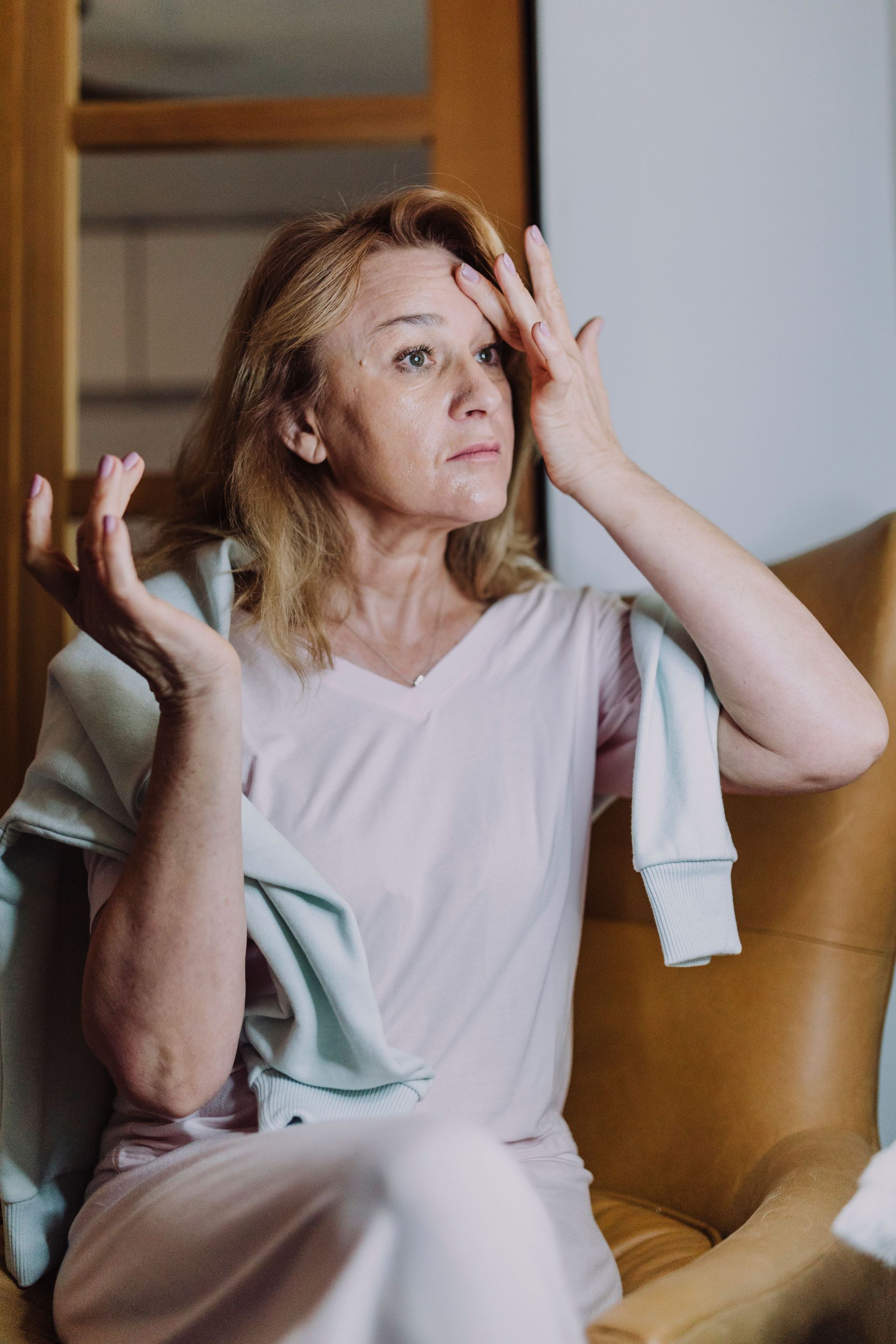
Most people think of menopause as just hot flushes and mood swings.
In clinic, hot flashes are rarely the only thing going on. Sleep may start changing months before anyone notices a flush. Mood can shift: irritability, flatness, anxiety, or a shorter fuse that was not there before. Concentration can become patchy. Night sweats may wake you at 2am, leaving you wired by 3am and exhausted by the time the alarm goes off. These are not always separate problems. They can be one transition showing up across several systems at once.
Treating the hot flush in isolation, while ignoring sleep, mood and stress tolerance, usually misses the bigger picture.
What’s Actually Changing?
Oestrogen and progesterone decline during this transition, but not in a neat straight line. They fluctuate, sometimes sharply, and often for years before settling.
That fluctuation can affect temperature regulation, sleep architecture, mood stability and the nervous system’s ability to buffer stress. None of this means something is wrong with you.
It means your physiology is recalibrating, and the recalibration period is often the hard part.


Why Sleep, Mood, and Heat Show Up Together
In Chinese Medicine, the body is read as an interconnected system rather than a list of isolated complaints.
Sleep, temperature regulation, and emotional steadiness draw on the same underlying resources. When those resources are under pressure, multiple systems can destabilise together. That is why menopause may show up as hot flushes, broken sleep, night sweats, mood swings, irritability and brain fog, all arriving as part of the same picture.
A treatment plan aimed only at the flush may underperform if the broader pattern is not addressed.
Not Every Menopause Pattern Looks the Same
Not every person moves through menopause in the same way.
Some people run hot. They may feel irritable, restless, wired at night and unable to switch off. In this presentation, sleep may not break down because of stress alone. It may be affected because heat is no longer being regulated well. Others present differently. Digestion may slow, fluids may not move well, and that internal congestion can affect how the body regulates heat and cooling.
The surface symptoms may look similar: flushes, broken sleep, mood changes.
But the mechanism underneath can be different. And different mechanisms need different treatment.

Why We Don’t Use a Generic Menopause Protocol
A generic “menopause protocol” does not hold up well because it does not ask what is driving the symptoms.
In Chinese Medicine, treatment is built around your individual presentation: which systems are most destabilised, how long it has been going on, what else is happening in your health history, and how your body is responding over time.
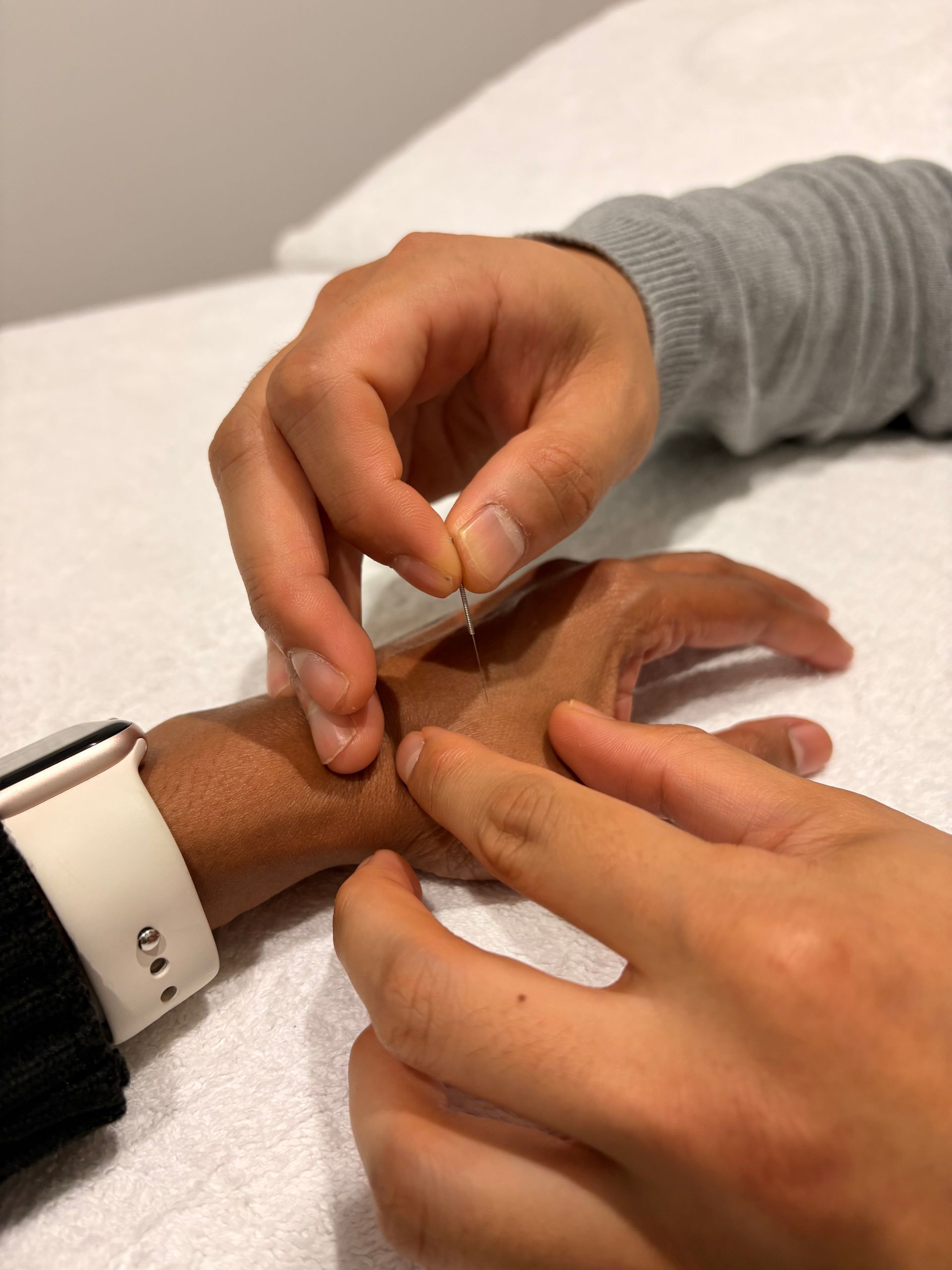
Acupuncture and Chinese herbal medicine may both be used, selected and adjusted according to what you are presenting with at each visit.
What Treatment Looks Like at Pack Health
Most patients have already tried a few things before they come in, and many arrive unsure what to expect from treatment.
Initial visits may be more frequent while we get a clear read on your pattern and start building stability. As symptoms settle, the frequency usually steps down: weekly, then fortnightly, then maintenance where appropriate. The exact pace depends on what you come in with and how your body responds.
You will know what we are working on, what we are tracking, and how your plan is progressing.
When to Book
If sleep, mood and temperature regulation have all shifted at once, that may be a coherent picture in Chinese Medicine terms, not several unrelated complaints.
At Pack Health, Jin treats menopause as the connected process it actually is.
Book an initial Chinese Medicine consultation with Jin to discuss your presentation.
Book Your Appointment Online
Ready to dive in?
Scheduling your session at Pack Health is easy and convenient. Our online booking system allows you to choose a time and date that fits your schedule.
Book in now and let us take care of the rest!